
Semele: Semele is a prominent figure in Greek mythology known as the youngest daughter of Cadmus and Harmonia.
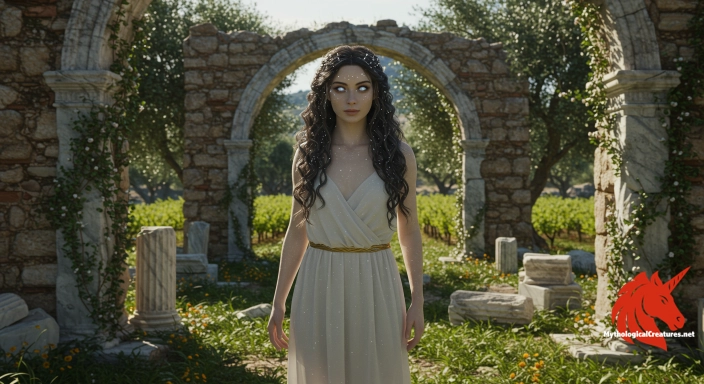
Semele
Semele - Semele's myth explores the divine–mortal relationship, highlighting the perils of engaging with godly power and underpinning the origins of the Dionysian cult.
Origins & First Encounters
Semele emerges from the rich tapestry of Greek mythology as a figure whose life intertwines mortal vulnerability with divine passion. Born as the youngest daughter of Cadmus and Harmonia, her lineage carries the weight of mythic tradition and noble ancestry. Her most renowned role is as the mother of Dionysus, born from her fateful union with Zeus, which marks a pivotal moment in the myth of ecstatic transformation. The narrative of her life reflects a delicate balance between beauty and tragedy, a duality that continues to capture the imagination. Her story was set against a backdrop of cultural exchange, where early Phrygian rites merged with Ionian artistic sensibilities. This confluence of traditions helped solidify her status, imbuing her tale with layers of meaning that resonate across different eras. The interplay of celestial seduction and mortal consequence in her life offers deep insight into ancient perspectives on fate and desire. Her myth encapsulates the perpetual conflict between human limitation and divine ambition. Through her experiences, audiences gain a glimpse of how fragile the boundary can be between the realms of gods and men. Semele’s enduring legacy in myth speaks to the timeless allure of stories that blend beauty, sorrow, and the ineffable power of the divine.
Source Texts & Tale Variants
The narrative of Semele is embedded in a diverse array of ancient texts and dramatic traditions that have shaped her enduring myth. One significant account is found in a now lost tragedy by Aeschylus, a work once known simply as Semele or by the alternative title Water-Carriers, which explored her captivating yet tragic existence. Fragments of lyrical and poetic works also offer glimpses into her character, revealing layers of passion, destiny, and divine intercession. Historical accounts by writers like Herodotus further lend a sense of antiquity to her story by situating her tale deep in the annals of time. These varied sources have allowed her narrative to evolve, as different communities emphasised distinct facets of her life. Some accounts highlight her irresistible allure to Zeus and the fateful consequences that ensued, while others dwell on the dramatic elements of her mortal fragility. Variations in her story are evident in both the structure and style of the surviving fragments, each adding nuance to her character. The multiplicity of sources ensures that her myth is not static but rather a living tradition continuously adapted by successive generations. Through these diverse accounts, Semele’s narrative is enriched by the overlapping themes of divine ecstasy and human despair. The synthesis of these sources secures her place as one of mythology’s most complex and evocative figures.
Form & Powers
Artistic depictions of Semele portray her as the epitome of refined beauty and serene allure, balancing the qualities of both mortal charm and divine luminescence. Classical artworks often render her with luminous skin that seems to capture an inner radiance, underscoring her eventual transformation by divine influence. Her gaze, frequently depicted as both compelling and wistful, speaks to the inner conflict of a mortal drawn irresistibly into the realm of the gods. Delicate features, set within a beautifully proportioned visage, evoke the Greek ideals of symmetry and grace that distinguished heroes and heroines alike. In sculpture and vase paintings, her flowing hair and poised posture align with the aesthetics of classical beauty, where elegance meets an air of fated melancholy. The softness of her form is accented by finely detailed garments and floral motifs, linking her to themes of nature and renewal. Variations in her portrayal across different regions show her adapting to local ideals of beauty, yet always maintaining an unmistakable intensity. The interplay of light and shadow in these artistic renderings further enhances her presence, suggesting both vulnerability and an ethereal strength. Her depiction often combines the tangible aspects of a mortal woman with hints of otherworldly grace, as if she exists in a liminal space between two realities. Overall, the visual representations of Semele capture not only her physical allure but also the symbolic resonance of her tragic destiny.
Regional Faces
The myth of Semele presents a fascinating case of regional adaptation, reflecting the distinctive cultural rhythms of the ancient world. In Phrygian traditions, her story is interlaced with indigenous religious rites and agricultural symbolism, casting her as a figure connected with fertility and the cycles of nature. As the tale traveled into the Ionian world, local perspectives enriched it with themes of ecstatic divinity and tragic grandeur. Some communities placed greater emphasis on her dramatic interaction with Zeus, portraying her as both a seductress and a sacrificial victim of divine caprice. In contrast, other regions focussed on the transformational aspects of her myth, celebrating the birth of Dionysus and the subsequent renewal he represents. The Roman adaptation further diversified her image by identifying her with the goddess Stimula, adding layers to her role within the pantheon. Artistic interpretations across the Mediterranean often emphasised different attributes, from her physical beauty in the Greek tradition to her emblematic fertility in local cult practices. These regional variations highlight the flexible nature of myth, where the core narrative adapts to resonate with local beliefs and rituals. The shifting details in her story reveal both a shared cultural heritage and a mosaic of local expressions. Such differences underscore how Semele’s myth could be both universally recognised and uniquely tailored to the cultural landscape of each community.
Cultural Parallels
Semele’s dramatic narrative finds cultural parallels in numerous mythological traditions that explore the interplay between mortal frailty and divine intervention. Like Europa and Io, her encounter with the supreme deity Zeus underscores a common motif in mythology, where the allure of the divine leads to both transformation and inevitable tragedy. Mythic figures across various cultures often embody similar themes, in which love with a god precipitates a series of events that blur the line between human experience and cosmic fate. The recurrent pattern of mortal women being elevated yet ultimately undone by their liaisons with deities also appears in stories from the Near East and other Mediterranean cultures. In many of these legends, beauty and desire are both celebrated and mourned, mirroring the dual nature of divine favour. Comparisons with other maternal figures in mythology reveal an archetypal element: the creation of life that defies natural order through miraculous means. This comparative framework not only highlights the shared themes of seduction and consequence but also emphasises the diverse ways in which cultures interpret such divine encounters. Across different traditions, the narrative of a mortal woman transformed by her connection to the divine invites contemplation of human limits and transcendent power. Semele’s story, in particular, serves as a powerful counterpoint to myths that celebrate heroic defiance and the quest for immortality. The universality of these themes reinforces her legacy as a figure whose story resonates well beyond the borders of ancient Greece.
Legacy & Modern Evolution
Over the centuries, the myth of Semele has evolved into a multifaceted legacy that permeates both ancient texts and modern culture. In antiquity, her story was a potent symbol of the interplay between human desire and the inscrutable nature of the gods, a narrative that captivated audiences with its blend of beauty and tragedy. The Renaissance saw a revival of classical themes, leading to renewed interest in her myth and its rich emotional texture. Subsequent artistic movements, from the Baroque to the Romantic era, reinterpret her life with ever-shifting focus on the themes of passion, vulnerability, and metamorphosis. Her influence surged into the modern era through operatic adaptations, notably in Handel’s opera "Semele", which reimagined her journey for contemporary ear and stage. Today, her tale continues to be a fertile subject for literature, visual arts, and scholarly debate, serving as a lens through which to explore the complex dynamics between mortals and the divine. Modern reinterpretations often cast Semele as a symbol of both empowerment and caution, reflecting on the costs of transcending human limitations. Her myth endures as a reminder of how personal tragedy can be elevated to timeless allegory. Academic and creative explorations of her story further cement its place in the canon of classical mythology. In every era, Semele remains a figure who encapsulates the eternal dialogue between mortal fragility and divine magnificence, inspiring endless reinterpretation and admiration.
Interesting Fact
An interesting aspect of Semele's legacy is that her myth not only underpins the origin of Dionysus but also serves as a poignant exploration of the consequences of mortal–divine liaisons.
Mythology commerce, done carefully
Align your store with our global myth audience
If you sell myth-inspired jewellery, prints, decks, or collectibles, we can feature your brand without overwhelming the reading experience.
Partner with usQuick Creature Info
Origin:
Features:
Our Mythic Legendary Rating:

Also Sometimes Known As:
Habitat:
Physical Attributes:
Behavior:
Lore:
Related Creatures, Tales or Lore
- AAlcmene
- DDanae
- LLeda
References
Discover Another Mythical Legend You May Not Have Heard Of?
Uncover the mysteries of ancient folklore and expand your knowledge of legendary beings from cultures around the world.
Dare to Meet the Heracles....

Curated by the Mythological Creatures Team
Series editor: Mythological Creatures Directory
Primary desk: Hellenic & Ancient Mediterranean Desk
(rev. November 2025)